Have a project in mind? Tell us about it and we’ll point you to the oils that fit.
Fragrance Oils for Eau de Toilette
Explore our fragrance oils for eau de toilette (EDT)—aromatic blends chosen for balanced projection, clarity, and diffusion in alcohol-based fine fragrance formats.
 Cashmere Wood
 Bourbon Vanilla

 Honey Milk
 Adirondack
 Sandstone
 Sunkiss
 Silk Blush
 Yuzu Forest
 Lust
 Provençal
 Jetsetter
 Desert Rose
 Unbroken
 Huckleberry
 Hanami
 Luxe
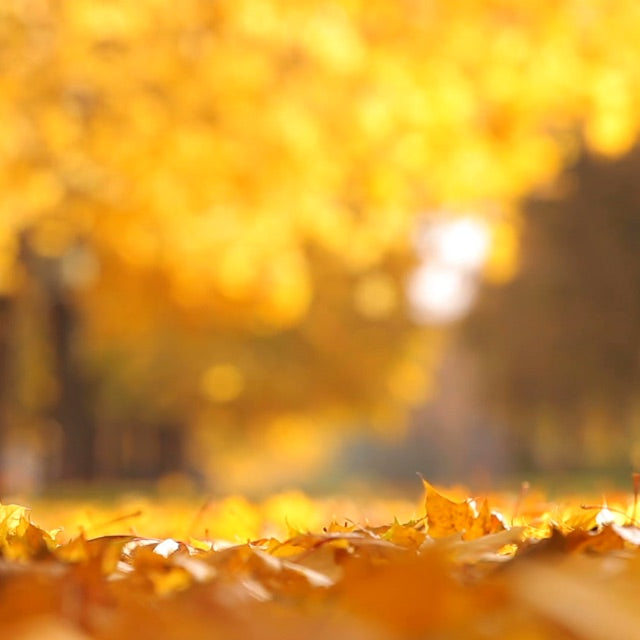 Golden Oak
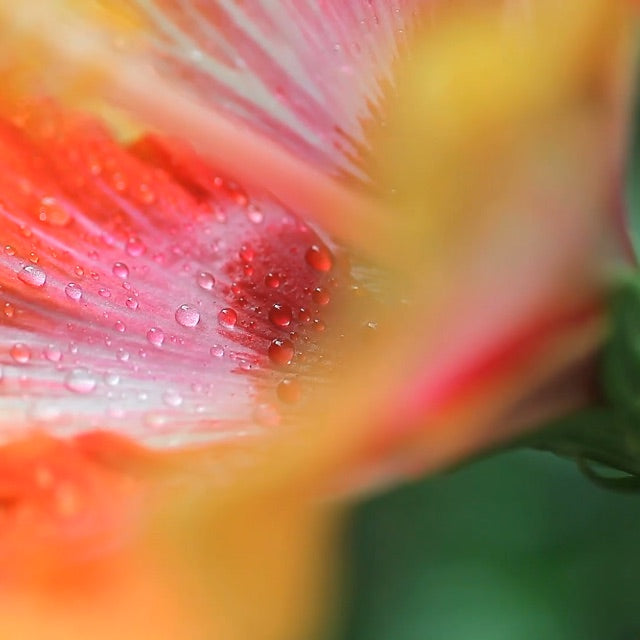 Tropidelic
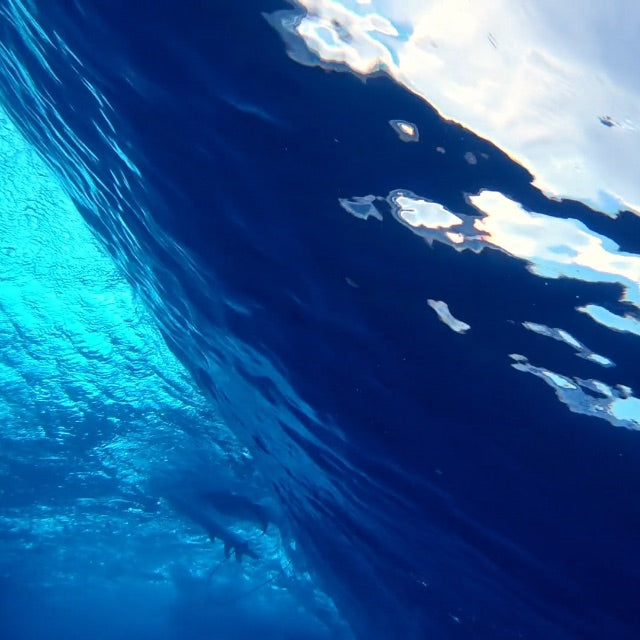 Seascape
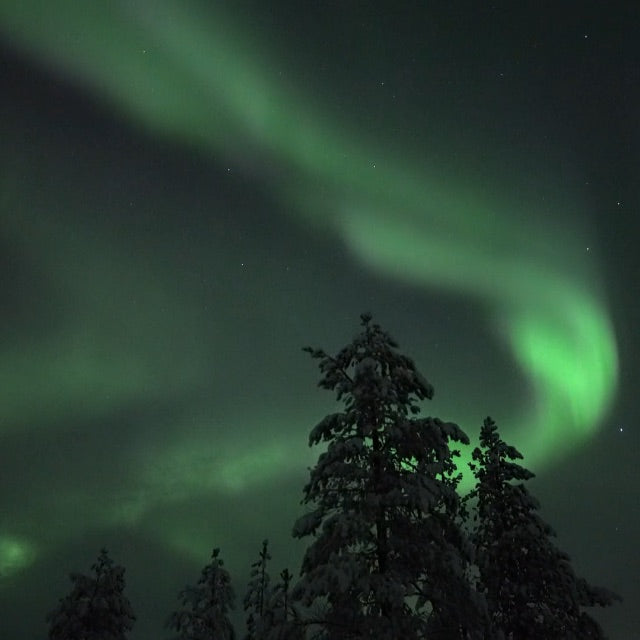 Boréal
 Vanillamour
 Bazaar
 Cuba
 Pitch Black
 Cabane
 Redwood
 Hibiscus
 Wild Peach
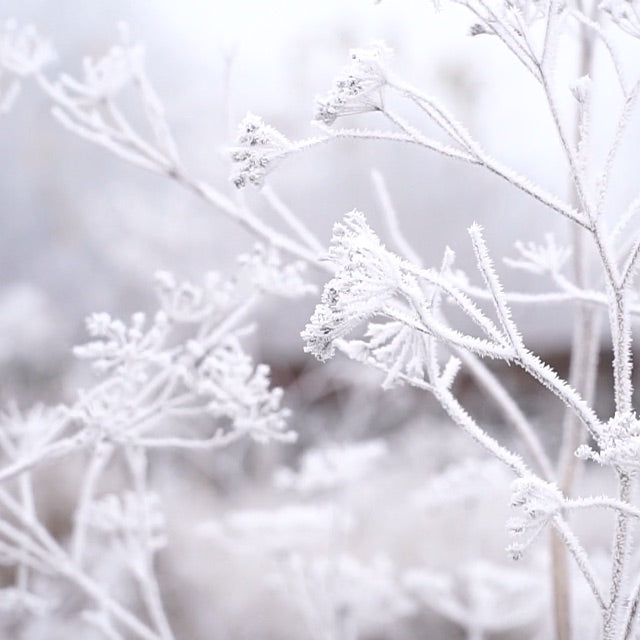 Jardin D'Hiver
 Eau De Rose
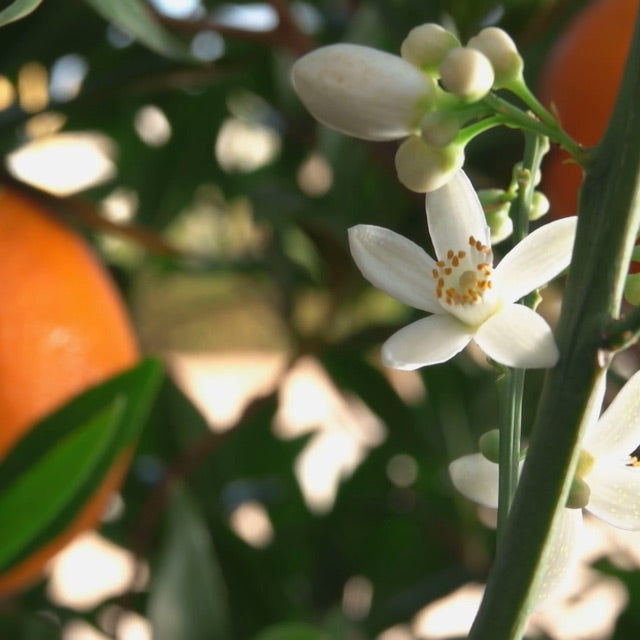 Navette
 Rumchata
 Copabanana
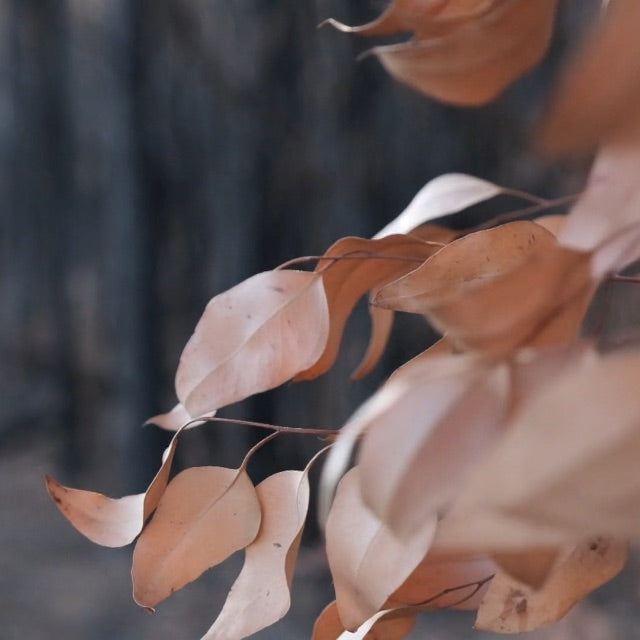 Gingerwood
 Alpenglow
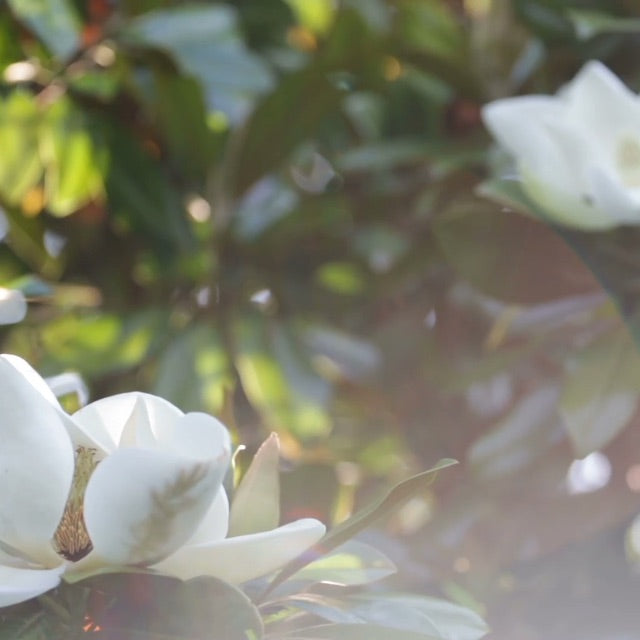 Magnolia
 Skinprint
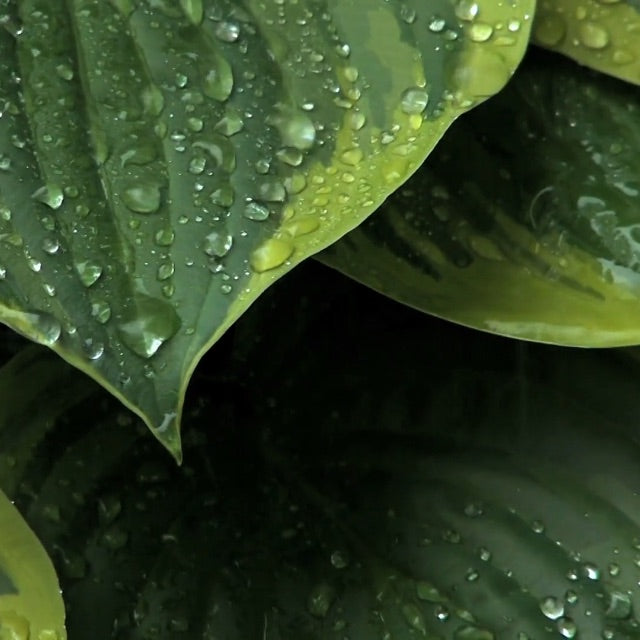 Ultraviolet
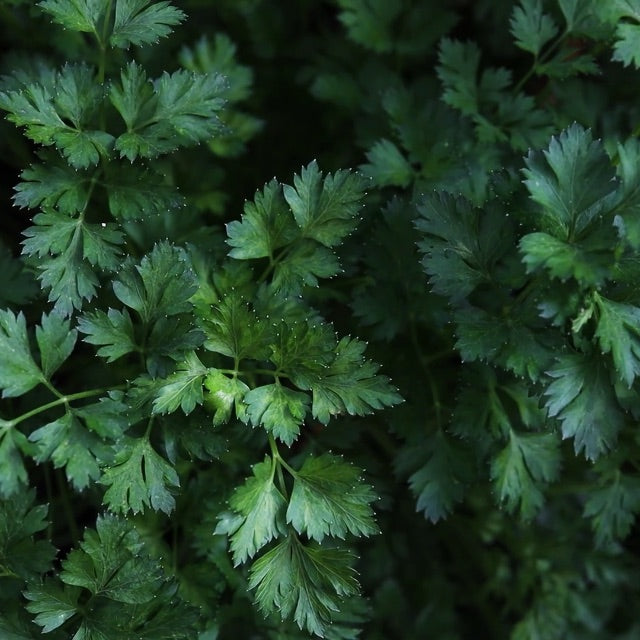 Herb Garden
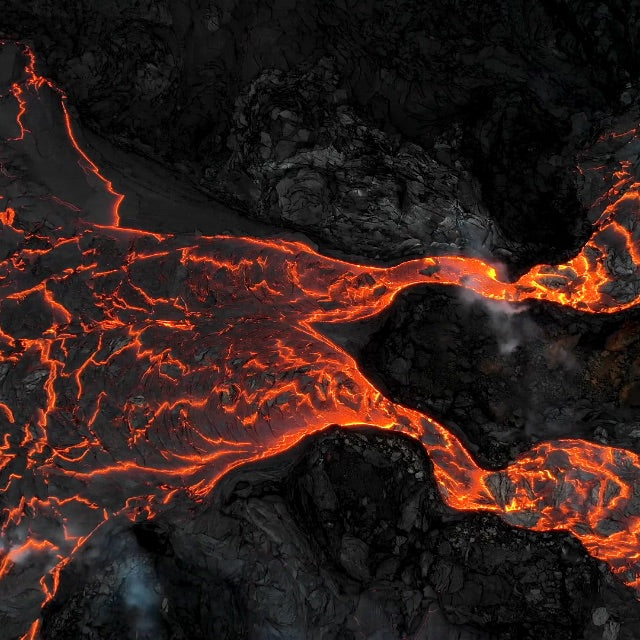 Gunpetal
 Paradisiac
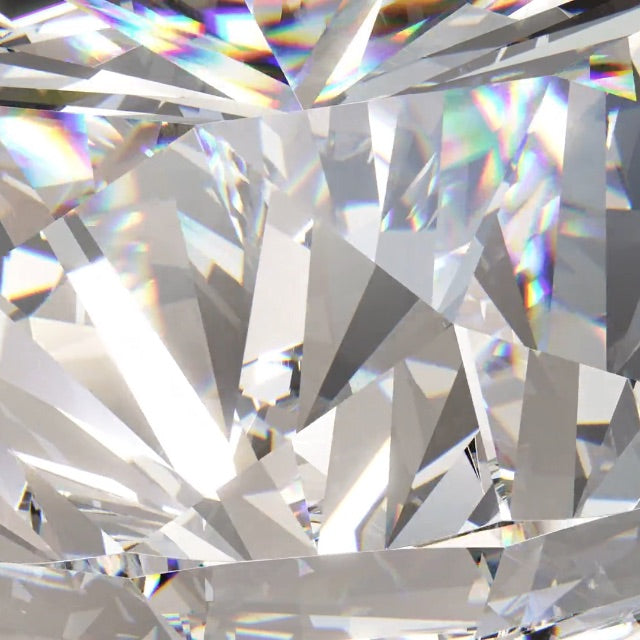 Icon
 Cirrus

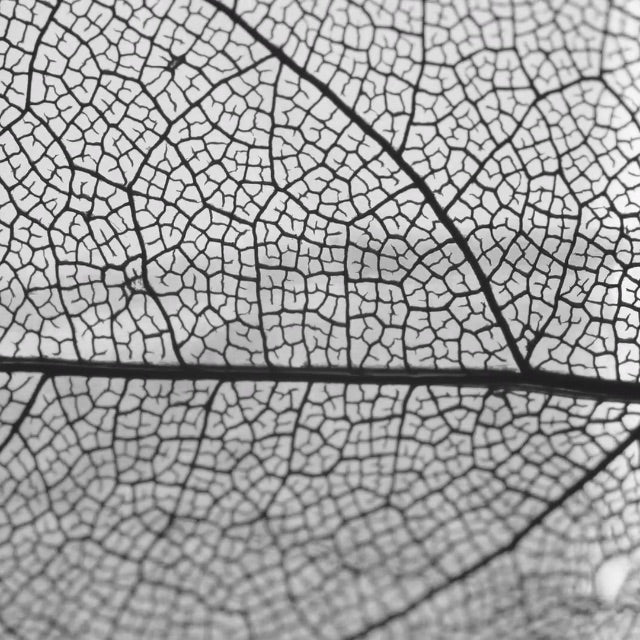 Olfactive Illusion
 Calanque
 Winter Woods
 Bohème
 Ocean Skies
 Aphrodisiac
 Carnival
 Arctica
 Pathfinder
 Solair
 Cerulean
 Palomino
 Sunbeam
 Succulent
 Superbloom
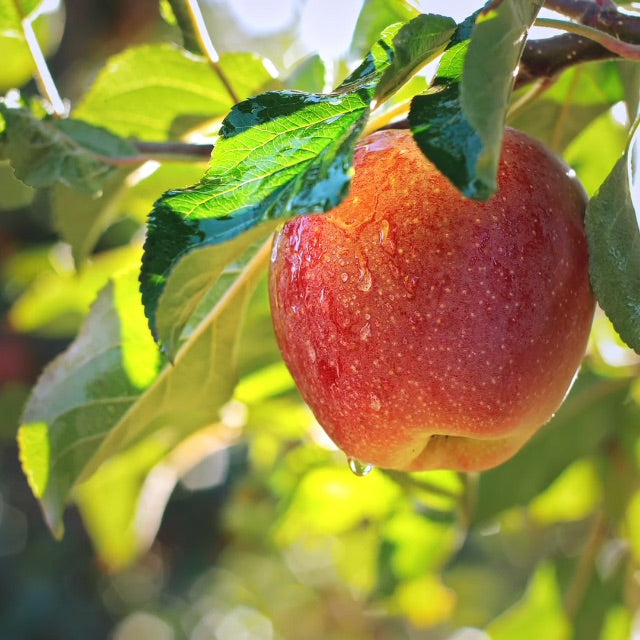 Orchard
 Quicksilver
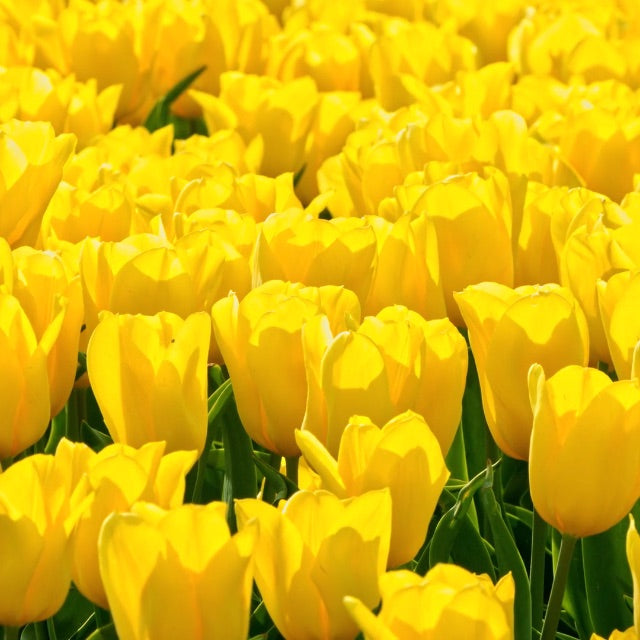 Mango Blossom
 Rumrunner
 Venezia
 Madeleine
 Chlorophyll
 Ambres Larmes
 Urban Zen
 Plein Air
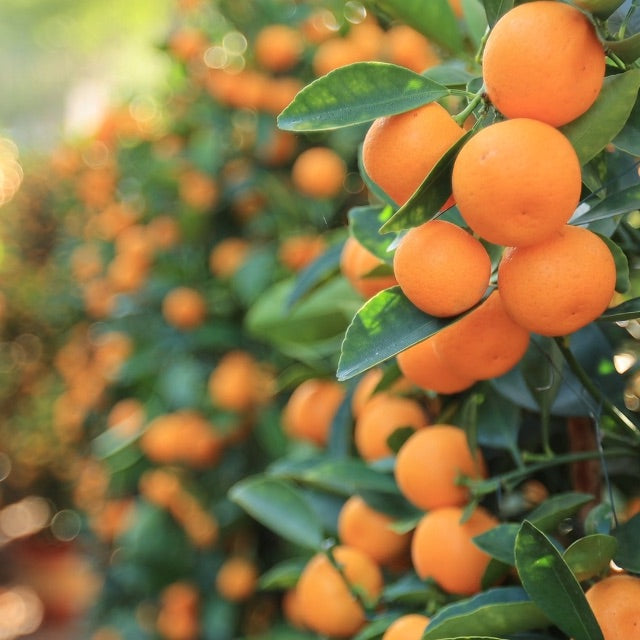 Clemenpine
 Boudoir
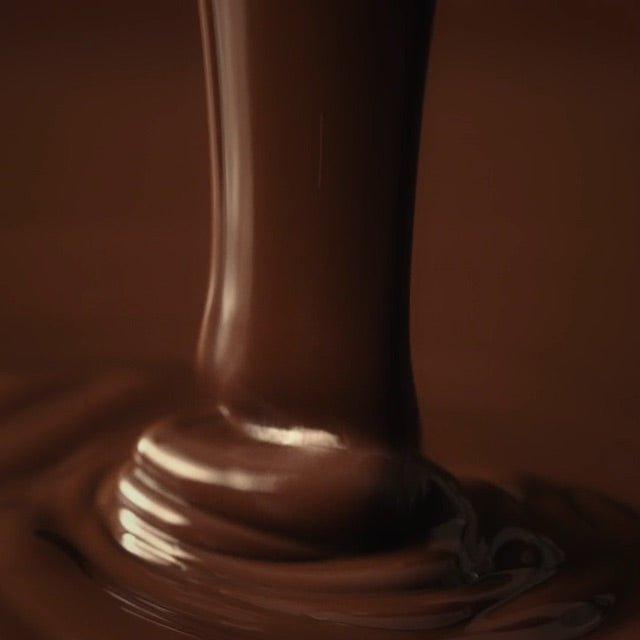 Chocoholic
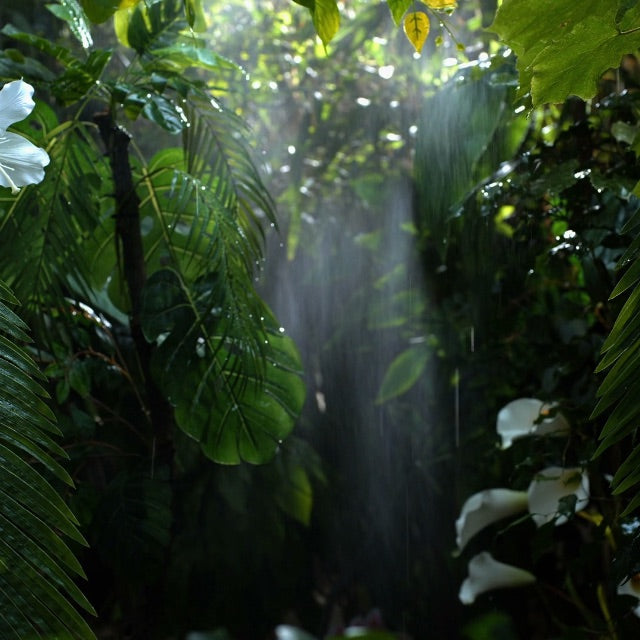 Botanica
Learn more about our Fragrance Oils for Eau de Toilette
This collection highlights fragrance oils frequently used in eau de toilette formulations (typically 5–15% fragrance in alcohol). These blends offer clarity, diffusion, and fine fragrance aesthetics when used within IFRA limits.
EDT-Focused Profiles
- Citrus & aromatic profiles
- Soft florals
- Woods & musks
- Fresh & airy blends
- Modern niche-inspired compositions
Professional Quality & Consistency
All EDT-focused fragrances are constructed with professional perfumery structure and consistent batching to support fine fragrance applications.
Suitable for All Product Types
Although curated for EDT use, these fragrance oils can be applied in any scented product within IFRA limits.
Documentation & Technical Resources
IFRA & SDS documentation is posted on each fragrance page. Additional documentation can be requested through our Documentation Request.
Use the Fragrance Oil Calculator to estimate concentration and batch size.
For custom EDT fragrance development, visit Fragrance Design Services. Learn about fine fragrance formulation on our fragrance blog.
Frequently Asked Questions
Are these compatible with alcohol?
Most work well in perfumer’s alcohol systems, though clarity and stability should always be tested.
What concentration should I use for EDT?
Typical EDT concentrations are 5–15%, but always follow IFRA category limits and test for aesthetics, strength, and longevity.
Can EDT fragrances be used in other products?
Yes—when dosed within IFRA limits.
Where is documentation located?
All IFRA & SDS documentation is provided on fragrance product pages, with additional files available via our request page.
How much should I use?
Use IFRA as the maximum allowed; your working level should be based on testing. The Calculator can help plan percentages.